

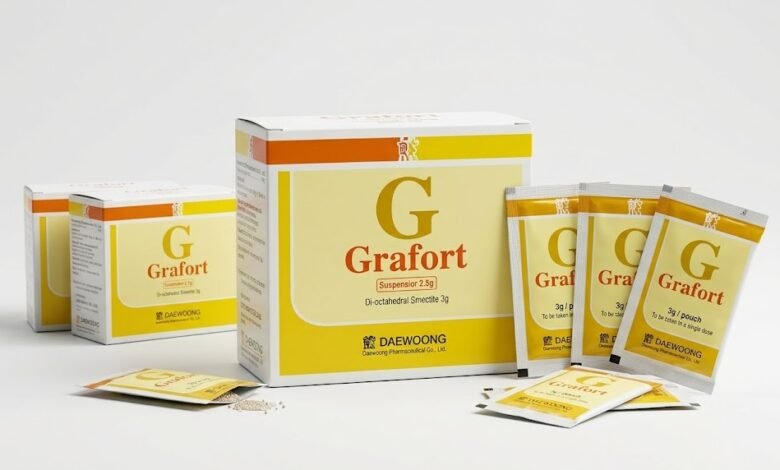
Grafort is a medicine containing dioctahedral smectite, an ingredient used to help manage diarrhea and certain symptoms associated with digestive tract conditions. The medicine works locally in the digestive system, where it helps protect the intestinal lining and can reduce the effects of substances that contribute to diarrhea.
Grafort is available in a liquid oral suspension format, with the formulation described in the supplied information containing 3 grams of dioctahedral smectite in each 20 mL sachet. It is important to check the product packaging because formulations and approved instructions can differ between markets.
Although Grafort may help relieve digestive symptoms, it does not replace oral rehydration solution (ORS), which is essential for replacing the water and salts lost through diarrhea. Its suitability depends on the patient’s age, symptoms, medical history, and the product’s approved instructions.
This guide explains what Grafort is, how it works, its potential benefits, dosage considerations, side effects, precautions, and when medical attention is necessary.
What Is Grafort?

Grafort is an antidiarrheal medicine associated with dioctahedral smectite, a clay-based substance used to protect the digestive tract. The manufacturer information for a corresponding 3 g/20 mL smectite suspension describes its use for acute or chronic diarrhea and pain symptoms associated with certain esophageal, stomach, and intestinal conditions.
Dioctahedral smectite acts mainly within the gastrointestinal tract rather than working like a conventional painkiller. It can bind certain substances and help form a protective barrier over the digestive lining. This action may help reduce irritation and improve diarrhea symptoms.
Grafort is not an antibiotic, and it does not treat every underlying cause of diarrhea. For example, diarrhea can result from viral infections, contaminated food, medication reactions, or other digestive conditions. Treatment should be appropriate for the underlying cause and the patient’s condition.
| 🔗 You may also like: |
| Nerwey Explained |
| Safetrode Com |
What Does Grafort Contain?
The active ingredient is dioctahedral smectite, 3 g per 20 mL sachet, according to the supplied product information. The ingredient is also known as smectite or, in related medicine products, diosmectite.
The active ingredient is responsible for the medicine’s local protective and adsorptive effects in the digestive tract. Other ingredients may be present in the suspension, so anyone with allergies or ingredient intolerances should check the package leaflet before use.
Do not assume that every product sold under a similar name has the same composition. Confirm the brand, manufacturer, strength, and dosage instructions on the actual package.
What Is Grafort Used For?
Grafort is primarily associated with managing diarrhea and certain symptoms linked to digestive tract irritation. Its precise approved uses should be confirmed from the leaflet supplied with the specific product.
1. Managing Acute Diarrhea
Acute diarrhea develops over a relatively short period and commonly involves frequent, loose, or watery stools. It may occur because of a stomach infection, contaminated food, or another temporary digestive disturbance.
Dioctahedral smectite may help reduce stool output or shorten the duration of diarrhea in some patients. However, evidence indicates that its benefits are supportive rather than a substitute for rehydration.
For example, an adult with mild diarrhea may be advised by a healthcare professional to use a suitable smectite medicine alongside adequate fluids. If the diarrhea is severe, bloody, or accompanied by significant dehydration, medical assessment is more important than relying on symptom relief alone.
2. Supporting the Management of Chronic Diarrhea
Chronic or persistent diarrhea can have several causes, including medication effects, food intolerances, infections, and underlying intestinal disorders. Because the causes vary, repeated diarrhea should not automatically be treated with Grafort without medical advice.
Some smectite products are indicated for symptomatic treatment of chronic functional diarrhea in adults. However, this indication does not mean that Grafort is suitable for every person with long-lasting diarrhea.
If diarrhea keeps returning or continues for an extended period, a healthcare professional may need to investigate the cause before recommending ongoing treatment.
3. Relieving Certain Digestive Pain Symptoms
Product information for a corresponding dioctahedral smectite suspension describes relief of pain symptoms associated with esophageal, gastroduodenal, and intestinal conditions.
The medicine’s protective action may help reduce irritation in some circumstances. However, it should not be considered a general treatment for unexplained abdominal pain, severe stomach cramps, ulcers, or other potentially serious conditions.
Persistent or severe pain requires medical evaluation, particularly when accompanied by fever, vomiting, abdominal swelling, or blood in the stool.
How Does Grafort Work?
Dioctahedral smectite works through local physical effects in the digestive tract. Rather than acting as an antibiotic or directly killing the microorganisms that may cause diarrhea, it helps protect the intestinal lining and bind certain substances.
Its main actions include:
-
Protecting the intestinal lining: It can help form a protective layer over the digestive mucosa.
-
Binding certain irritants: Its adsorptive properties allow it to bind some substances within the intestinal contents.
-
Supporting symptom relief: These effects may help reduce stool output and shorten diarrhea in some cases.
Clinical evidence suggests that smectite may shorten acute infectious diarrhea in children by approximately one day when used alongside rehydration therapy. However, researchers have rated much of the evidence as low certainty, so the benefit is not guaranteed.
Grafort does not directly correct dehydration, and it should not delay medical care when symptoms indicate a serious illness.
| 🔗 You may also like: |
| Bilieter Explained |
| Messagenal |
Potential Benefits of Grafort
The potential benefits depend on the cause and severity of the digestive symptoms, as well as the patient’s age and overall health.
May Help Reduce Diarrhea Symptoms
One potential benefit of dioctahedral smectite is a reduction in stool output during acute diarrhea. Some clinical studies have also found a shorter duration of symptoms, although results vary and the quality of evidence is limited.
This may make it a useful supportive option when a healthcare professional considers it appropriate.
Provides Local Protective Effects
Unlike medicines that act throughout the body, smectite primarily exerts its effects within the digestive tract. Its protective action may help limit contact between the intestinal lining and certain irritants.
This property helps explain its use in selected digestive conditions, but it does not mean the medicine heals every type of intestinal inflammation.
Can Be Used Alongside Rehydration
When appropriate, Grafort may be used as an additional treatment while the patient continues oral rehydration and normal age-appropriate feeding.
For diarrhea, this combination is important because symptom control alone does not replace the water and electrolytes lost from the body. Oral rehydration remains the priority.
Grafort Dosage: What Should You Know?
The correct dose depends on the exact product, the patient’s age, the condition being treated, and local prescribing guidance. The following schedule is the one reported in the supplied Grafort information and corresponding manufacturer information for a 3 g/20 mL smectite suspension. It is not a personalized prescription.
| Patient group | Reported dose in the supplied information |
|---|---|
| Infants under 6 months | 10 mL twice daily |
| Children aged 6 months to 5 years | 10 mL three times daily |
| Children over 5 years | 20 mL two to three times daily |
| Adults | 20 mL three to four times daily |
Important: These age-based doses should not be applied automatically to every product containing smectite. Approved age limits and dosing schedules vary by product and country. In particular, some current product guidance advises against using diosmectite in children younger than 2 years.
For this reason, do not give Grafort to an infant or young child without checking the exact product leaflet and consulting a qualified healthcare professional.
Should the Dose Be Increased for Severe Diarrhea?
The supplied information mentions that the initial adult dose may sometimes be doubled in acute diarrhea. However, patients should not increase their dose independently.
A higher dose is not necessarily more effective and may increase the risk of constipation or other problems. Follow the specific product leaflet and the instructions of the prescribing healthcare professional.
How Should Grafort Be Taken?
Follow the directions on the package. The supplied product information describes taking the suspension after meals for esophageal symptoms and during meals for other conditions, but instructions may differ between formulations.
Keep the following points in mind:
-
Use the medicine only by the oral route and according to its instructions.
-
Do not exceed the recommended dose or duration.
-
Check the expiry date and storage directions.
-
Ask a pharmacist how to measure the dose accurately if the packaging is unclear.
-
Do not use repeated courses for ongoing diarrhea without medical advice.
Can Grafort Be Taken With Other Medicines?
Dioctahedral smectite may interfere with the absorption of other medicines because of its adsorptive properties. This could affect how much of another medicine reaches the bloodstream.
A common precaution for smectite products is to separate their administration from other oral medicines by at least two hours. Confirm the appropriate interval with a pharmacist, particularly if you take essential prescription medicines.
Possible Side Effects of Grafort
Grafort is generally described as well tolerated when used appropriately, but side effects can occur. Not everyone experiences them, and the exact risk depends on the product and individual circumstances.
Constipation
Constipation is a recognized potential side effect of dioctahedral smectite. It may cause hard stools, difficulty passing stool, or less frequent bowel movements.
If constipation develops or becomes worse, stop self-adjusting the dose and ask a healthcare professional whether the medicine should be discontinued.
Allergic Reactions
Allergic reactions are possible, although their frequency may not be established for every formulation. Warning signs include:
-
A widespread or itchy skin rash.
-
Swelling of the face, lips, tongue, or throat.
-
Difficulty breathing.
Stop taking the medicine and seek emergency medical assistance if signs of a serious allergic reaction occur.
Other Digestive Problems
Any new or worsening digestive symptoms should be assessed in context. Do not assume that increasing abdominal pain, persistent vomiting, or worsening diarrhea is a normal medicine side effect.
These symptoms may indicate the underlying condition is getting worse or that another treatment is needed.
| 🔗 You may also like: |
| Sosoactive |
| Pigeimmo |
Who Should Avoid Grafort or Use It With Caution?
Grafort is not suitable for everyone. Before using it, consider the following precautions.
People With an Allergy to Its Ingredients
Do not use the medicine if you have a known hypersensitivity to dioctahedral smectite or any ingredient in the formulation.
Check the complete ingredient list if you have previously experienced a reaction to a medicine or have a known ingredient intolerance.
People With Severe Constipation or Intestinal Obstruction
People with a history of severe chronic constipation should seek medical advice before using smectite. The medicine should not be used when an intestinal obstruction is suspected unless a specialist has specifically assessed the situation and advised otherwise.
Severe abdominal swelling, persistent vomiting, and an inability to pass stool or gas require urgent medical assessment.
Infants and Young Children
Age restrictions are particularly important with smectite medicines. Some regulatory and product guidance advises against diosmectite use in children younger than 2 years because of safety concerns, including potential exposure to lead in clay-based products.
The dose listed for an infant in some product information should therefore not be treated as universal advice. Parents should check the exact formulation and obtain professional guidance before giving this medicine to a child.
People With Severe Dehydration
Grafort is not a treatment for severe dehydration. Someone who has lost substantial fluids and electrolytes may need urgent medical care and intravenous fluids.
Signs of concern include marked weakness, very little urine, unusual sleepiness, confusion, or inability to drink adequately. Do not delay care while waiting for Grafort to work.
Grafort and Oral Rehydration Solution (ORS)
One of the most important points about using Grafort is understanding the difference between controlling diarrhea symptoms and treating dehydration.
Diarrhea causes the body to lose water and essential electrolytes, including sodium and potassium. Even if the frequency of loose stools begins to decrease, fluid loss may continue.
ORS helps replace the fluids and salts lost through diarrhea. It should be prepared exactly as directed on the packet, using the specified amount of safe water. Do not add extra sugar or salt.
The Infectious Diseases Society of America recommends ORS as the first-line treatment for mild to moderate dehydration associated with acute diarrhea in adults and children.
Practical steps include:
-
Offer frequent, small amounts of ORS, particularly if nausea makes drinking difficult.
-
Continue breastfeeding during a child’s diarrheal illness.
-
Resume an age-appropriate normal diet during or after rehydration.
-
Seek medical care if the person cannot keep fluids down or shows signs of severe dehydration.
Grafort may be an additional treatment when appropriate, but ORS and adequate fluid replacement remain essential.
When Should You Seek Medical Attention?
Diarrhea often improves without complications, but some symptoms require prompt assessment. Do not rely on Grafort alone if you experience any of the following:
-
Blood or black, tarry stools.
-
Severe or persistent abdominal pain.
-
High fever or repeated vomiting.
-
Very little urine, severe dizziness, or unusual drowsiness.
-
Inability to drink enough fluids.
-
Diarrhea that persists, repeatedly returns, or becomes worse.
Infants, older adults, and people with weakened immune systems or significant underlying illnesses may be more vulnerable to dehydration and complications.
If symptoms are not improving within a few days, contact a healthcare professional rather than extending treatment yourself. Seek urgent care sooner if symptoms are severe.
Conclusion
Grafort is a dioctahedral smectite medicine used to help manage diarrhea and certain digestive symptoms. Its local protective and adsorptive properties may provide symptom relief, although the benefits vary and the supporting evidence has limitations.
Safe use depends on the correct formulation, appropriate dosing, age restrictions, and awareness of potential side effects such as constipation. Extra caution is necessary when considering the medicine for infants and young children.
Most importantly, Grafort does not replace oral rehydration solution or medical assessment when warning signs are present. Check the product leaflet, consult a qualified healthcare professional when needed, and prioritize fluid replacement during diarrhea.
FAQs
What is Grafort medicine used for?
Grafort contains dioctahedral smectite, an ingredient used to manage acute or chronic diarrhea in appropriate patients and certain digestive pain symptoms. Its exact approved uses depend on the product formulation and local prescribing information.
Does Grafort stop diarrhea immediately?
No. Grafort is not guaranteed to stop diarrhea immediately. Smectite may reduce stool output or shorten the duration of symptoms in some patients, but the response varies. Rehydration remains essential.
Can adults take Grafort?
Adults may use an appropriate smectite product for certain diarrhea symptoms when its instructions and their medical circumstances allow it. Follow the package directions and seek advice if symptoms are severe or persistent.
Is Grafort safe for babies?
It should not be given to a baby without professional guidance. Some current diosmectite product guidance advises against use in children younger than 2 years. Parents should verify the exact product’s approved age restrictions before considering it.
What are the common side effects of Grafort?
Constipation is a recognized potential side effect. Allergic reactions are also possible. Stop the medicine and seek appropriate medical care if a serious reaction occurs.
Can Grafort be taken with other medicines?
It may affect the absorption of other oral medicines. A separation of at least two hours is commonly recommended for smectite products, but confirm the appropriate interval with a pharmacist for your particular medicines.
Is Grafort an antibiotic?
No. Dioctahedral smectite is an adsorbent and protective agent that acts locally in the digestive tract. It does not replace antibiotics when these are specifically required, and antibiotics are not necessary for every case of diarrhea.