
Bodenxt: How Sweden’s Green Industrial Boom Is Reshaping a Northern Town

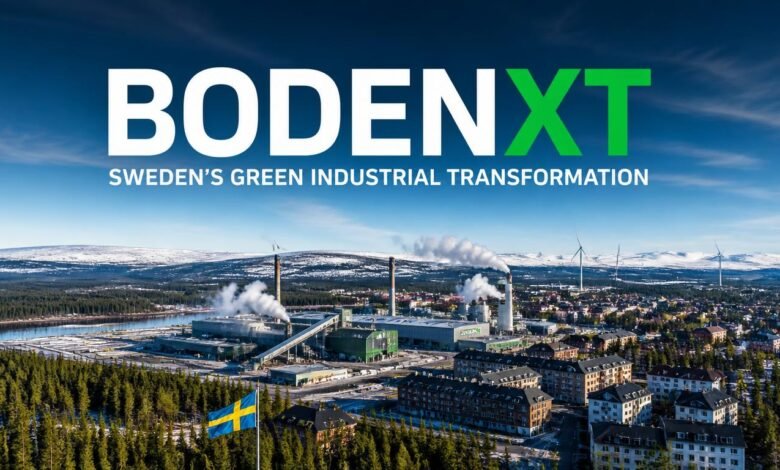
Bodenxt represents a major transformation taking place in Boden, a municipality in northern Sweden. Once known primarily for its northern Swedish setting, military presence, and established local industries, Boden is now attracting attention for its role in the transition toward greener industrial production. New industrial investments are creating opportunities while placing fresh demands on housing, infrastructure, skills, and public services.
At the centre of this change is the ambition to combine industrial development with a community where people can live, work, and build long-term futures. Bodenxt provides a framework for understanding and coordinating this wider transformation, bringing together business development, workforce needs, infrastructure planning, and social sustainability.
However, the story is about more than building a new steel plant. It is also about how a relatively small northern community can manage rapid change without losing the qualities that make it an attractive place to live. Understanding Bodenxt means looking at both the economic opportunities and the practical challenges that accompany Sweden’s green industrial ambitions.
What Is Bodenxt?
Bodenxt is a development initiative associated with the Municipality of Boden in northern Sweden. It helps communicate and coordinate the municipality’s response to a period of significant industrial and population-related change. Rather than focusing on one construction project, the initiative connects several areas that must develop together for the wider transformation to succeed.
These areas include housing, transport infrastructure, skills supply, business development, and community services. Each is closely connected to the others. For example, a growing industrial workforce needs somewhere to live, reliable transport to reach workplaces, access to education and healthcare, and opportunities to become part of the local community.
The name Bodenxt reflects the idea of Boden’s next phase of development. Its wider purpose is to help businesses, residents, workers, and public organisations understand how the municipality is preparing for growth and what that growth could mean for everyday life.
Why Bodenxt Matters Now
Green industrial investment can create opportunities that extend far beyond the factory gates. New projects may increase demand for construction services, transport providers, accommodation, technical specialists, maintenance companies, and local retailers. These connections can spread economic benefits throughout the surrounding area.
Nevertheless, growth on this scale requires careful preparation. If homes, roads, schools, and public services cannot keep pace with employment opportunities, both newcomers and established residents may experience pressure. Bodenxt matters because it places these interconnected needs within a broader development conversation.
Stegra and the Shift Towards Green Steel
One of the most important projects associated with Boden’s industrial transformation is Stegra, formerly known as H2 Green Steel. The company is developing a large-scale steel production project in Boden with an ambition to produce steel with substantially lower fossil emissions than conventional production routes.
Traditional steelmaking can generate significant carbon dioxide emissions, particularly when coal-based processes are used. Green steel projects aim to reduce this impact by changing production methods and using cleaner energy and alternative industrial processes. Hydrogen produced using low-carbon electricity can play an important role in certain approaches to iron and steel production.
Stegra’s project has therefore placed Boden within a wider European discussion about industrial decarbonisation. Manufacturers are under increasing pressure to reduce emissions, while customers and policymakers are exploring ways to support lower-carbon materials and supply chains.
How Green Steel Could Affect the Local Economy
A large industrial development can create different types of employment at different stages. During construction, demand may include civil engineering, electrical installation, equipment assembly, logistics, and project management. Once an industrial facility becomes operational, the workforce may include engineers, technicians, operators, safety professionals, and maintenance specialists.
The wider supply chain may also benefit. Local and regional businesses can potentially provide accommodation, catering, cleaning, transport, equipment, and professional services. The actual scale of these benefits depends on project progress, recruitment, procurement decisions, and how much work is awarded to regional suppliers.
It is important to distinguish projected opportunities from confirmed outcomes. Announced investments do not automatically guarantee that every expected job will materialise or that every local company will secure contracts. Boden’s long-term success will depend partly on how effectively businesses and public institutions turn industrial demand into sustainable local opportunities.
Why the Green Transition Extends Beyond Steel
Steel is a major part of the story, but it is not the entire transition. A successful industrial ecosystem also requires dependable electricity, transport connections, digital infrastructure, skilled workers, suitable housing, and supporting businesses.
These requirements create links between industrial policy and local development. Investment decisions made by major companies can influence demand for vocational training, rental accommodation, roads, and public facilities. This is why Bodenxt is best understood as a wider development framework rather than simply another name for the green steel project.
How Boden Is Changing as Industry Expands
Boden’s transformation illustrates how industrial investment can reshape a community as well as its economy. When a major project attracts workers, contractors, and their families, the effects become visible in housing demand, business activity, transport requirements, and the use of public services.
The municipality must consider both short-term construction needs and long-term population development. Contractors working on a project for a limited period may require temporary accommodation, while permanent employees and families need more stable housing options. These groups have different requirements, and planning for them together can help reduce unnecessary pressure.
Industrial growth can also change how local businesses operate. Shops, restaurants, property owners, and service providers may see new demand, but they may need additional staff and investment to respond. The benefits are more likely to last when local companies can adapt to changing needs rather than relying only on temporary construction activity.
Housing for Workers and New Residents
Housing is one of the most practical challenges facing a municipality experiencing rapid industrial expansion. New workers need places to stay, and families may need larger homes close to schools, childcare, shops, and transport links. If accommodation is insufficient, employers may find recruitment more difficult and residents may face greater competition for available properties.
Boden has highlighted contractor accommodation and housing development as part of its wider growth response. Purpose-built accommodation can help serve workers who need a place to live during construction, while conventional housing development is important for people intending to settle in the municipality for longer periods.
A balanced approach requires more than providing beds for incoming workers. Planners must also consider affordability, the location of new homes, access to services, and the needs of existing residents. Housing that supports temporary workers and permanent households can help the municipality manage growth without treating accommodation as a short-term problem alone.
Population Growth and Community Life
An increase in residents can support local businesses and strengthen demand for services, but population growth also changes community needs. More households may mean greater demand for childcare places, school capacity, healthcare access, leisure facilities, and local transport.
New arrivals may come from other parts of Sweden or from abroad. They may bring valuable technical skills and business experience, but settling into a new community can involve challenges such as finding accommodation, understanding local systems, learning Swedish, and building social connections.
Practical relocation support can make a meaningful difference. Clear information about housing, employment, schools, public services, and local activities helps people make informed decisions about moving to Boden. Community integration is not separate from economic development; it can influence whether workers and families choose to remain in the area over time.
Infrastructure: The Foundation of Industrial Growth
Major industrial facilities depend on infrastructure that works reliably. Roads must accommodate workers, deliveries, and heavy vehicles, while rail and other freight connections can influence how efficiently materials and finished products move through supply chains.
Electricity infrastructure is especially important for industrial projects seeking to reduce emissions through electricity-intensive processes. Access to suitable energy supplies, grid capacity, and dependable connections can affect project planning and operating costs. Digital connectivity and water infrastructure can also be essential to industrial and residential development.
Boden’s infrastructure planning therefore has implications for both companies and residents. Improvements can make industrial areas easier to reach and support wider economic activity, but construction may also create temporary disruption. Coordination between the municipality, infrastructure authorities, utilities, and businesses is important to avoid solving one problem while creating another.
Transport Connections and Everyday Mobility
The benefits of new roads or transport links depend on how well they serve the wider area. Industrial traffic needs safe and efficient access to workplaces, while residents need routes that support commuting, shopping, education, and other daily activities.
Transport planning should also account for the location of housing and public services. If new homes are far from workplaces or essential facilities, people may become more dependent on private cars. Better coordination between development areas, public transport, walking routes, and cycling infrastructure can help make growth more convenient.
Infrastructure announcements should be assessed by their actual status. A proposed project, a construction project, and a completed road are not the same thing. Readers looking for the latest information should check official municipal updates before relying on a particular opening date or completion claim.
Skills, Jobs, and Opportunities for Local Businesses
The green industrial transition creates demand for a range of skills, but the opportunities are not limited to highly specialised engineering roles. Industrial facilities also require technicians, electricians, mechanics, logistics workers, safety staff, administrative professionals, and service providers.
This creates an opportunity for training organisations, employers, and public institutions to connect education with real workforce requirements. Vocational programmes, apprenticeships, technical qualifications, and workplace training may help residents prepare for available roles. Employers can also benefit when recruitment and training are planned well before new facilities reach full operation.
However, the existence of an industrial investment does not mean every job seeker will automatically qualify for a position. Requirements differ by occupation, language ability, certifications, and experience. Anyone considering a move to Boden should check actual vacancies, employment conditions, and qualification requirements rather than relying only on broad forecasts about job creation.
Opportunities for Small and Medium-Sized Businesses
Smaller businesses can play an important role in supporting a growing industrial area. Construction firms, cleaning companies, caterers, accommodation providers, maintenance specialists, and transport businesses may find opportunities to serve major employers and their contractors.
To benefit, businesses need to understand procurement processes, insurance requirements, delivery expectations, and relevant safety standards. Large industrial projects may have formal supplier qualification procedures, so companies should not assume that local proximity alone will secure a contract.
Business owners can start by monitoring official procurement notices, connecting with regional business-support organisations, and identifying services that match their existing capabilities. Building dependable partnerships and maintaining strong operational standards can be more valuable than making costly expansions based solely on anticipated demand.
Social Sustainability: Making Growth Work for People
Economic growth is only one measure of a successful transformation. A community also needs accessible services, social inclusion, opportunities for education, and a living environment that supports people at different stages of life.
This is the wider meaning of social sustainability in the Bodenxt context. Development planning must consider how industrial expansion affects established residents as well as newcomers. That includes access to services, pressure on local facilities, opportunities for young people, and the long-term attractiveness of the municipality as a place to live.
Boden’s sustainability-related initiatives and workforce planning efforts form part of this broader conversation. Their practical value depends on implementation: whether people can access suitable training, whether families can find housing, and whether local institutions have the resources to respond to changing demand.
Education, Childcare, and Integration
Families deciding whether to relocate often consider more than salary and job availability. They may also need suitable childcare, school places, access to healthcare, and information about how local services work. These considerations can influence whether a worker moves alone or brings their family.
Employers and public organisations can support relocation by providing accurate information and helping newcomers understand available services. Language learning, community activities, and opportunities to meet local residents can also help people establish stronger connections.
For Boden, successful integration means ensuring that development creates a community in which people can participate, not simply a location where workers arrive for a job. This takes time, coordination, and investment in everyday services.
Environmental Opportunities and Challenges
Green industrial production is intended to reduce environmental impacts, particularly emissions associated with conventional industrial processes. However, a lower-carbon production method does not remove every environmental challenge associated with a large industrial development.
New facilities require land, materials, transport, energy, and supporting infrastructure. Construction and population growth can also affect local ecosystems, traffic patterns, waste management, and demand for water and other resources. These effects need to be considered alongside the potential climate benefits.
A credible assessment of Boden’s transformation should therefore examine measured outcomes rather than relying only on labels such as “green” or “sustainable.” Relevant questions include how emissions are calculated, what energy sources are used, how environmental permits are implemented, and how impacts are monitored over time.
The long-term environmental value of green steel depends on the full production process and the energy system supporting it. For readers following Bodenxt, official environmental assessments and company disclosures can provide more useful detail than broad promotional claims.
The Main Challenges Facing Bodenxt
Boden’s industrial ambitions offer substantial possibilities, but several challenges will influence whether the transformation delivers lasting benefits.
Housing and affordability: Rapid demand can put pressure on available accommodation. Housing development needs to keep pace while remaining suitable for different household sizes and income levels.
Workforce availability: Industrial employers may compete for people with specialist skills. Training, recruitment, and practical relocation support can help, but shortages may remain in some occupations.
Infrastructure capacity: Roads, electricity connections, water systems, and public services must support industrial activity and residential growth. Delays in one area can affect progress elsewhere.
Economic uncertainty: Large industrial projects depend on financing, market conditions, construction schedules, energy costs, and demand for lower-carbon materials. Forecasts should not be confused with guaranteed results.
Community wellbeing: Existing residents need to see that development supports the wider municipality. Maintaining access to services, managing disruption, and involving communities in planning can help build trust.
Addressing these issues requires cooperation among municipal authorities, industrial companies, training providers, infrastructure organisations, local businesses, and residents. No single organisation can manage every part of the transformation independently.
What the Future Could Hold for Boden
Boden’s future will depend on how effectively industrial investment is converted into long-term economic and social value. If projects progress as intended, the municipality could develop a stronger industrial base, attract skilled workers, support new businesses, and increase its role in lower-carbon manufacturing.
The potential benefits extend beyond employment at a single facility. A stronger supplier network, improved infrastructure, and better access to training could support economic activity across the surrounding region. Yet these outcomes depend on actual project delivery, continued investment, and the ability of local institutions to respond to changing needs.
Bodenxt provides a useful way to follow these connected developments. Readers can use the initiative to understand how the municipality approaches housing, skills, infrastructure, business development, and community planning. They should also follow individual project announcements and published reports to distinguish confirmed progress from future expectations.
Ultimately, the measure of success will not be the number of announcements or the size of the industrial investment alone. It will be whether Boden develops a resilient economy while remaining a good place for people to live, work, raise families, and build businesses.
Where to Find Reliable Bodenxt Updates
For accurate information, begin with official municipal and business-development sources. These can help readers check project announcements, infrastructure developments, housing initiatives, and information about living or working in Boden.
Two useful resources are:
- Boden Municipality — Official Website provides municipal information and updates relating to local development, public services, and Bodenxt.
- Boden Business Park offers information about business development, innovation, and the region’s industrial transformation.
When researching a specific investment or employment opportunity, consult the organisation responsible for that project. Check publication dates, distinguish proposals from completed work, and look for supporting reports where financial, environmental, or employment figures are involved.
Conclusion
Bodenxt represents an important chapter in Boden’s transformation into a growing centre for green industry and sustainable development in northern Sweden. With Stegra’s green steel ambitions, new infrastructure requirements, housing development, and workforce opportunities, the municipality is preparing for changes that extend far beyond industrial production. The challenge is to ensure that economic growth also benefits residents, local businesses, and future generations.
The long-term success of Bodenxt will depend on effective planning, reliable infrastructure, environmental responsibility, and strong community support. While industrial investment creates promising opportunities, its lasting impact will depend on how successfully these plans are implemented. By balancing business development with social wellbeing and sustainability, Boden has the potential to build a stronger, more resilient future.
FAQs
What is Bodenxt in Sweden?
Bodenxt is a development initiative associated with the Municipality of Boden in northern Sweden. It connects the municipality’s response to industrial growth with housing, infrastructure, workforce development, business opportunities, and community sustainability.
How is Stegra connected to Bodenxt?
Stegra, formerly H2 Green Steel, is developing a major green steel project in Boden. Its planned industrial activity is one of the key drivers behind the municipality’s need to prepare for new jobs, housing demand, infrastructure requirements, and population change.
Why is Boden attracting industrial investment?
Boden is part of northern Sweden’s growing green industrial landscape. Access to the region’s energy resources, industrial development opportunities, and the ambition to produce lower-carbon materials are among the factors attracting attention. The suitability of individual projects depends on their specific technical, commercial, and infrastructure requirements.
Can people find jobs through Bodenxt?
Bodenxt helps explain the wider transformation, but it should not be treated as a guarantee of employment or a recruitment service for every industrial project. Job seekers should check individual employers’ careers pages, current vacancies, qualifications, and application requirements.
Is Bodenxt focused only on green steel?
No. Green steel is a major part of Boden’s transformation, but Bodenxt also covers connected issues such as housing, infrastructure, skills supply, business development, and community wellbeing.
Where can I find official Bodenxt information?
Visit Boden Municipality and Boden Business Park. These sources are useful starting points for checking local development information and following changes in the region.